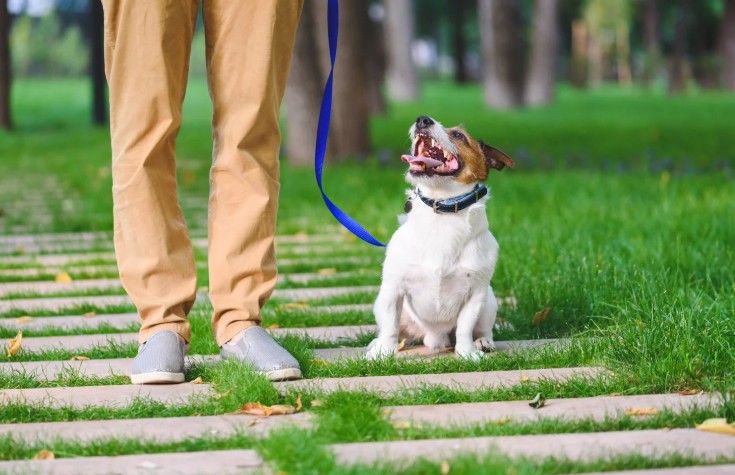
If you’ve ever dreamed of working with dogs and being your own boss, starting a dog walking business could be the perfect opportunity.
It’s a flexible, low-cost way to earn income while spending time outdoors. But just like any business, it requires planning, professionalism, and a clear understanding of how to deliver a trustworthy service.
This guide on how to start a dog walking business, walks you through everything you need to know about setting up your dog walking business in the UK — from preparation and legal steps to pricing, marketing, and growing your client base.
How To Prepare Yourself for the Job?
You don’t need formal qualifications to walk dogs, but you should feel confident around different breeds and behaviours.
Owners are trusting you with their pets, so being calm, observant, and responsible is essential.
You might also find it helpful to learn the basics of dog behaviour or take a short pet first aid course, which adds credibility to your service.
Before launching, take a look at your local area. Check whether there’s a demand for dog walkers, how much others charge, and what services are already available.
This research helps you position yourself effectively and understand how you can offer something different — whether it’s flexible hours, solo walks, or weekend availability.
What are the Legal and Insurance Requirements?
Should You Register Your Business?
To operate legally in the UK, you’ll need to register as a sole trader or limited company. Most dog walkers begin as sole traders because it’s simple and easy to manage.
Once you’re earning, you must declare your income for tax purposes and keep basic financial records.

Should You Get Insured?
Insurance is a must in this line of work. At the very least, you’ll need public liability insurance in case a dog in your care causes injury or damage. You may also want to add cover for pet accidents, key loss (if you’re entering homes), or legal disputes. Insurance not only protects you but also reassures your clients that you’re running a professional service.
Should You Follow Local Rules?
There’s no national dog walking licence, but some councils have bylaws that limit how many dogs you can walk at one time or where you can take them.
It’s your responsibility to check with your local authority before you start.
How To Set Up Your Services and Pricing?
A successful business begins with clearly defined services. Most dog walkers in the UK offer 30- or 60-minute walks, either one-on-one or in small groups.
You might also provide puppy visits, drop-in care, or weekend walks for an extra charge.
Pricing will depend on your area, but generally falls between £10 and £17 per walk. Solo walks usually cost more than group ones, and it’s common to offer discounts for multiple dogs from the same household.
You’ll also need to budget for essential startup costs. These might include:
- Public liability insurance
- DBS check (especially if you’re entering client homes)
- Leads, harnesses, treats, and dog waste bags
- Marketing materials and a basic website
- Transport or fuel costs if covering wider areas
Keeping your business lean at the start will help you stay profitable while building your client base.
How Should You Promote Your Business Professionally?
Branding and Visibility
Choose a name that’s easy to remember and reflects what you do. Including your local area can help people find you in searches.
Even a simple logo and clean social media presence can go a long way in building trust.
A basic website or Facebook page should clearly list your services, prices, and contact details. Including testimonials, photos, and updates gives potential clients a feel for your style and approach.
How To Attract Your First Clients?
To get started, promote your services locally. You can:
- Post flyers in parks, vet clinics, or pet shops
- Join local Facebook or WhatsApp groups for pet owners
- Offer an introductory rate or trial walk to encourage sign-ups
Once you’ve got a few happy clients, ask for reviews and referrals. Word of mouth is incredibly powerful in this industry.

Deliver a Reliable and Trustworthy Service
Building trust is crucial. Before walking any dog, meet with the owner and collect important details about the pet’s temperament, medical history, and behaviour.
Having a written agreement that outlines the walk schedule, cancellation policy, and emergency contacts protects both you and your clients.
Even small touches — like sending a short update after each walk or remembering the dog’s birthday — can help you stand out and build loyalty.
If you plan to enter homes or handle keys, a DBS check is strongly recommended.
Reliability is key. Always show up on time, follow agreed plans, and treat each pet with care and respect. A strong reputation will lead to long-term success.
How To Manage Your Business and Plan for Growth?
As your business grows, it’s important to stay organised. Keep clear records of your bookings, payments, and client details.
A calendar or scheduling app can help you avoid double-bookings or missed appointments.
When demand increases, you might:
- Raise your rates slightly
- Add services like pet sitting or weekend walks
- Hire another walker or collaborate with someone you trust
At this stage, you may also want to review your business structure or expand your insurance to match your new responsibilities.
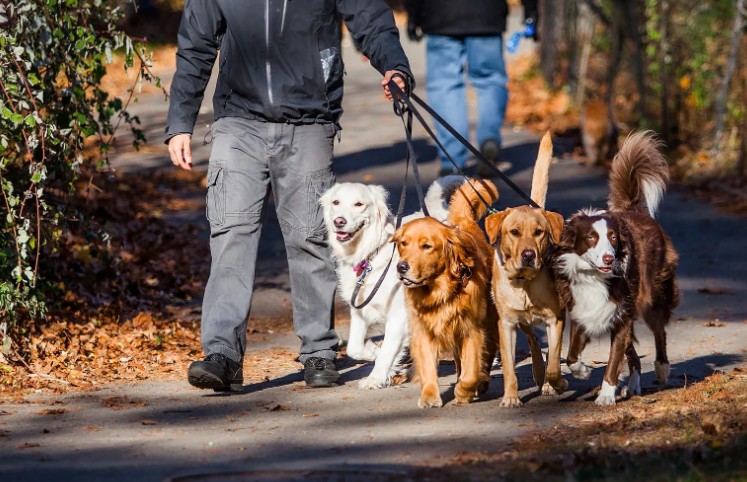
Business Setup Overview
Here’s a simplified overview of your setup steps:
| Step | Details |
| Register as a sole trader | Declare income, manage taxes |
| Get insured | Public liability, plus optional add-ons |
| Check local rules | Max dog limits, park access, bylaws |
| Define services and prices | Solo/group walks, extra care options |
| Market your services | Flyers, social media, local engagement |
| Meet and onboard clients | Gather dog info, sign agreements |
| Track bookings and income | Stay organised from day one |
Conclusion
Starting a dog walking business is more than just spending time with dogs — it’s about offering a reliable, professional service that pet owners can count on.
With a thoughtful setup, attention to safety, and a focus on trust, you can turn a love of animals into a rewarding and sustainable business.
Whether you stay solo or grow into a larger pet care service, the key is consistency, care, and communication. Start small, do it right, and success will follow — one wagging tail at a time.
Related Article: Dog Walking Prices Per Hour in the UK: What I Charge and What’s Normal
What are the Frequently Asked Questions On How to Start a Dog Walking Business?
1. Do I need a licence to walk dogs in the UK?
Not nationally, but some local councils do have rules — like limiting the number of dogs per walk. Always check with your local authority.
2. How much can I earn?
It depends on how many dogs you walk and your pricing. Many dog walkers earn a full-time income by walking several dogs a day, especially with group sessions.
3. Is a DBS check necessary?
It’s not legally required, but strongly recommended if you’re entering homes or holding keys. It also builds trust with clients.
4. What if a dog gets hurt or runs away?
This is why having insurance is so important. Public liability and care cover can protect you in these situations, along with clear procedures and contracts.
Leave a Reply